
- 50 daysabout 1 hour a day
- 78 lessonsin 14 sections, with labs
- 500+students enrolled
- ₹4,499taught in Malayalam
This is the plan we use in Edwhere's 50 Days Ethical Hacking Challenge, a cybersecurity course in Malayalam for complete beginners in Kerala. You can follow the outline below on your own with free tools, or take the course for a guided path with a mentor.

Before you spend ₹50,000 or a lakh, start here
Many people in Kerala start cybersecurity by paying ₹50,000 for a course or one to two lakh for a certification, and only then find out whether the field suits them. Do it the other way round. Build the fundamentals first, try the actual work with your own hands, and then decide.
A 50-day beginner plan is right for you if you are:
- A student. Do this before any other cybersecurity course. Everything later builds on it.
- Working in another field, including another part of IT, and thinking of switching to cybersecurity. An hour a day fits around a job.
- Curious and starting from zero, and wanting to see what the work actually involves before committing.
It's not for people who already work in cybersecurity. If you're an experienced professional, you'll get more from advanced training such as CEH. The only exception is someone already in security who wants the basics of a different area, such as penetration testing or SOC work.
Why learn cybersecurity in Malayalam?
Technical ideas sink in fastest in your mother tongue. Across every college and batch we've taught in Kerala, students have understood more when we explained in Malayalam than in English. So the explanations are in simple, everyday Malayalam, the kind anyone can follow. The technical terms stay in English, because those are the words you'll use in interviews and at work.
What 50 days looks like
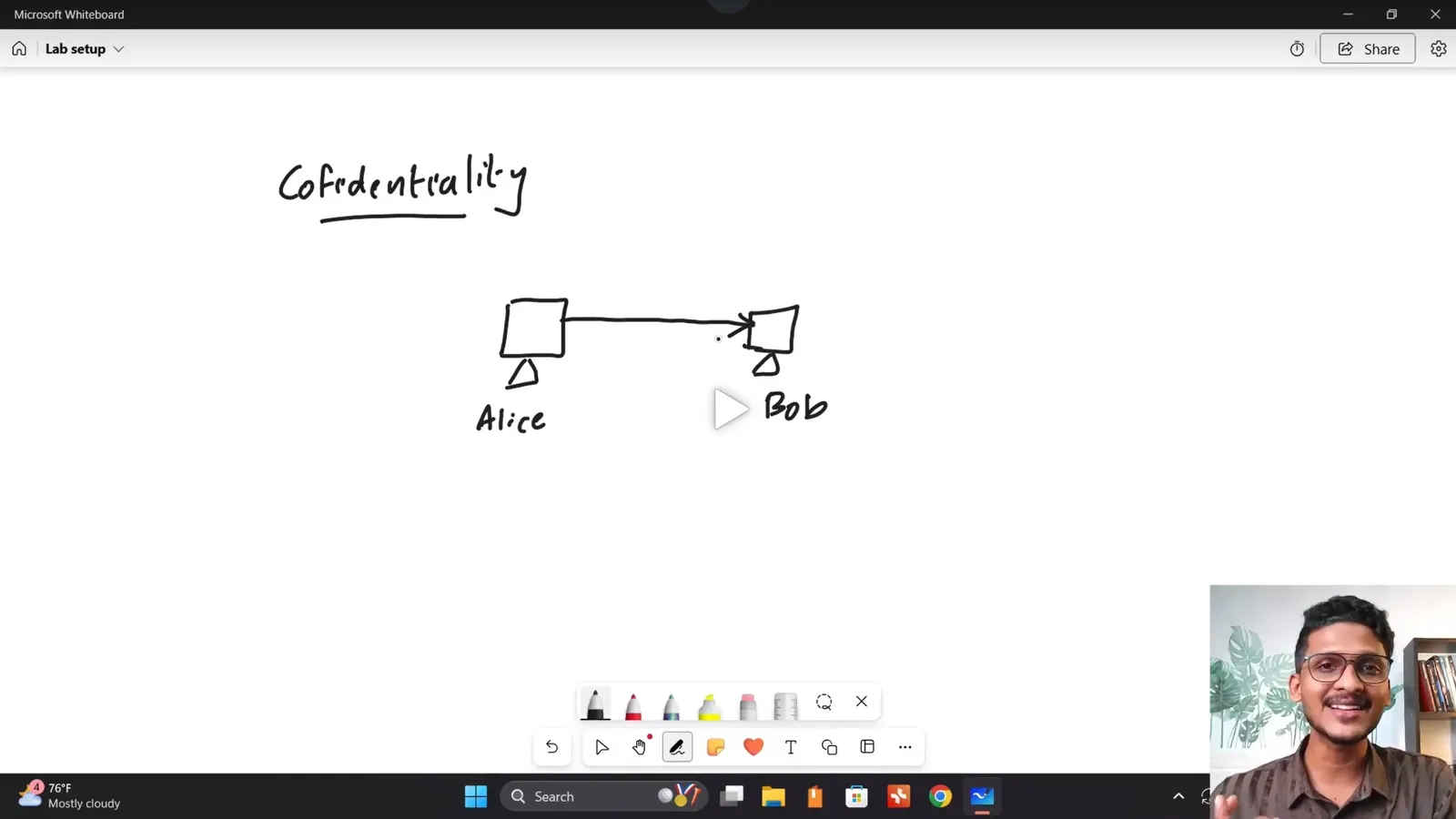
About one hour a day, five days a week, is enough to finish the lessons. If you can add another one or two hours of your own research, do it. Cybersecurity rewards people who teach themselves, and the habit of digging further on your own is part of what you're building.
The lessons are recorded and self-paced. We started with live classes, but beginners found it hard to follow a live demo at the instructor's speed. Most needed to watch a step several times and try it themselves before it clicked. With recordings you can pause, repeat and practise, and start on any day you like.
The 50-day roadmap
The course has 78 lessons in 14 sections. This is a suggested pace through them. Some people move faster, and the days aren't strict, but setting aside the full 50 keeps you consistent.
- Days 1–7
Networking + lab setup
How networks and the web work, HTTP and network commands. Set up Kali Linux and Metasploitable 2.
- Days 8–14
Security concepts + how testing works
Attack types, laws and standards, security testing based on NIST SP 800-115, and the Cyber Kill Chain.
- Days 15–24
Reconnaissance and scanning
Google dorking, DNS, domain and IP recon, Nmap and theHarvester.
- Days 25–30
Password cracking
Hashes, public key cryptography, dictionary and rainbow table attacks, Hashcat and Hydra.
- Days 31–34
System hacking
Exploitation with Metasploit.
- Days 35–42
Web application hacking
SQL injection, XSS, IDOR and broken access control with Burp Suite and PortSwigger labs.
- Days 43–50
Vulnerability management, project, resume
Nessus scans, a Windows Server 2022 configuration review, and a resume review in three stages.
Hands-on from day one, not just theory
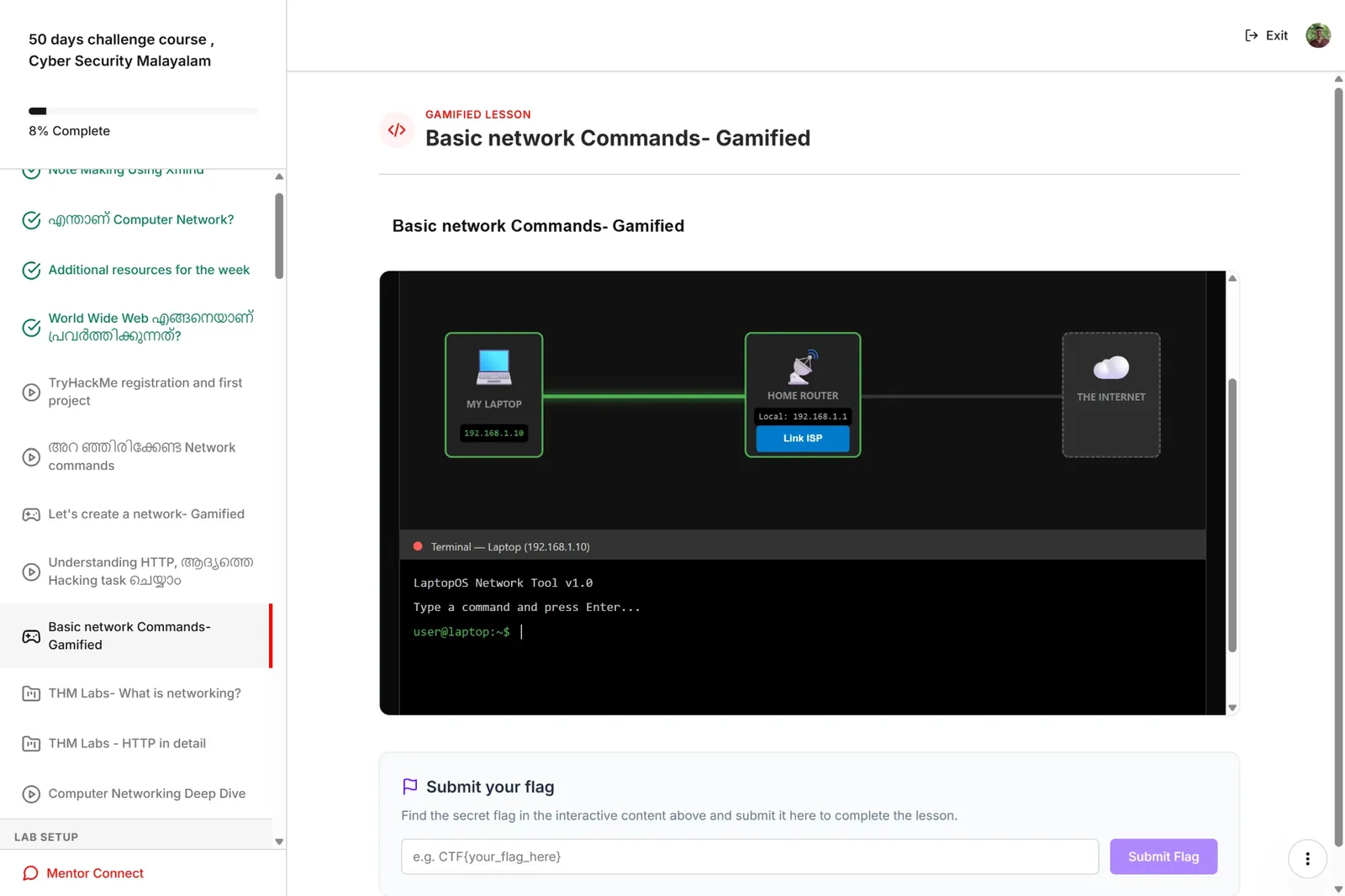
Every topic is something you do, not just read about. In the first week, for example, you capture your own traffic with Wireshark and Burp Suite while you search on Google. You watch the request leave your laptop, pass through each device and reach Google's servers. Networking stops being a diagram once you've seen your own packets.
Your Google search, packet by packet
- Your laptopThe request starts here
- Wi-Fi routerYour home network
- Internet providerDNS finds google.com
- Google's serverSends the results back
The course also follows an industry standard rather than a random list of tools. Its security testing section is based on NIST SP 800-115, the US National Institute of Standards and Technology's guide to security testing and assessment, so you learn the order real security testers work in: gather information about the target, scan it, find weaknesses, then report and fix them.
How a real security test runs
- ScopeAgree what you may test
- ReviewStudy what's already known
- Identify targetsFind systems, ports and services
- ValidateProve which weaknesses are real
The tools you'll use
- Kali Linux and Metasploitable 2 in VirtualBox, set up step by step
- Wireshark to capture and read network traffic
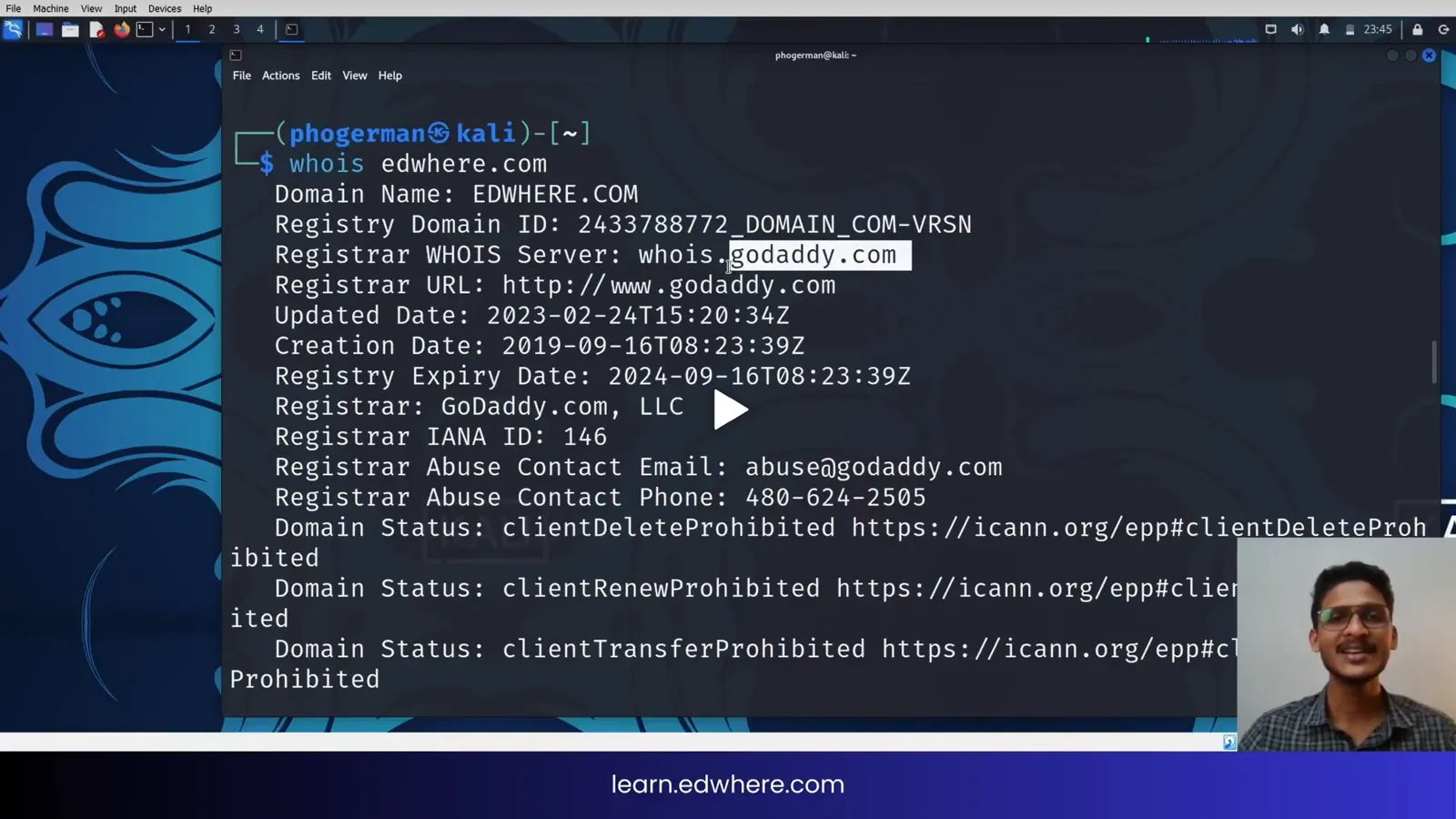
- Nmap, including its scripting engine (NSE), and theHarvester for reconnaissance
- Shodan and Censys for internet-wide reconnaissance
- Hashcat and Hydra for password attacks
- Metasploit for system hacking
- Burp Suite (Proxy and Intruder) with PortSwigger's free web security labs
- Nessus for vulnerability scanning
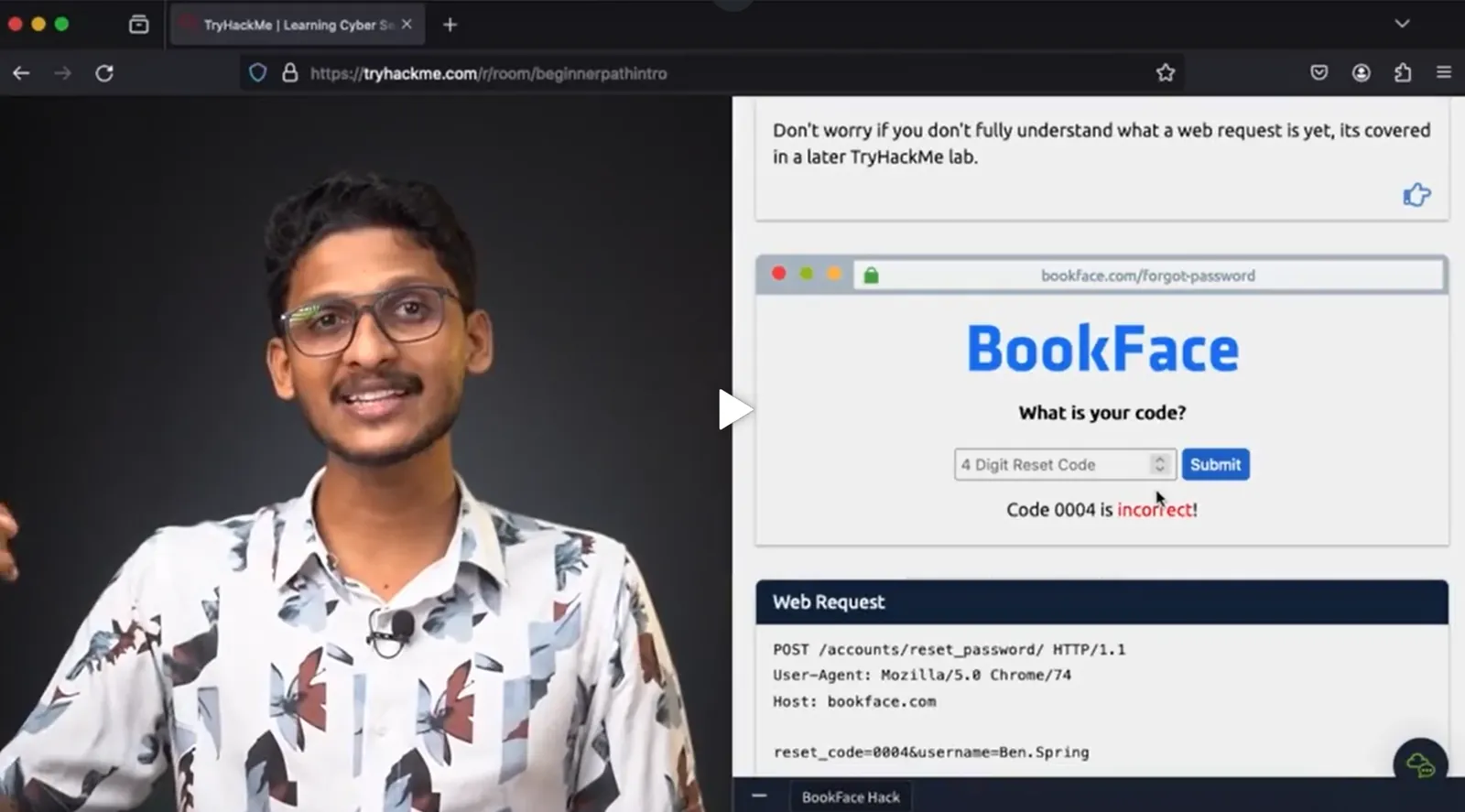
- TryHackMe labs, alongside our own gamified lessons where you find a hidden flag and submit it to complete the lesson
The capstone project
At the end you install Windows Server 2022 in VirtualBox and review its configuration. You check its configuration against the CIS security controls, find what's weak, and then apply the security settings yourself. It's the kind of work a junior security analyst does, and it gives you something concrete to talk about in an interview. Along the way you also do the basic tasks of a penetration test by hand.
What you get
- A certificate with a unique code that anyone can verify online. If you already hold a certification like CEH, it counts for 20 continuing education credits.
- Mentor support at any time. When you enrol you get the mentors' phone numbers, so you can ask a question when you're stuck instead of searching for hours. Mentors also help you plan your career path.
- A resume review in three stages at the end of the course, plus lessons on career paths and building your profile.
Placement assistance is part of our advanced courses, not this one. This is where you start. It does prepare you for job hunting, though: most of what other institutes call "placement assistance" is resume reviews and interview preparation, and you get the resume review here.
Where students go next
More than 500 students have enrolled in the 50 Days Challenge, and most of them finish it. Some have used it to move up from basic IT admin work into SOC roles. Others came from completely different backgrounds and switched careers. Some now do bug bounties, many went on to CEH, and several went abroad for a master's in cybersecurity.
Sreerekh came from a media background with no idea of cybersecurity. He completed every step of the 50 days, trying each lab with his own hands, then took CEH training. He's now moving into governance, risk and compliance (GRC).
After the 50 days, the natural next step is CEH, the Certified Ethical Hacker. See what CEH v13 costs in India. You can also build your own projects with tools like Wazuh, or take our focused Burp Suite and Nmap courses.
How to choose the best ethical hacking course in Malayalam
Free YouTube videos are a fine way to get curious, but they're scattered. A bit here, a bit there, with no order and nobody to ask when you're stuck. Whichever course you choose, check that it gives you:
- A structured path That builds from networking upward, instead of jumping straight to hacking tools.
- Hands-on labs Where you actually run the tools, not just watch someone else.
- A real person to ask Find out how you reach a mentor and how fast they answer.
- An industry standard Behind the syllabus, so what you learn matches how the work is really done.
- Simple language If the explanations lose you, nothing else matters.
- Honest promises Be wary of a beginner course that guarantees you a job.
Fee and how to start
Start today
50 Days Ethical Hacking Challenge
The course costs ₹4,499, an offer price against the regular ₹8,999. There's no EMI, because it's a small, beginner-level fee. It's self-paced, so there's no batch date to wait for: you can start the day you enrol. Classes run on learn.edwhere.com in your browser, or in the Edwhere Learning app on the Play Store. Several lessons are free to try first, including the network commands lessons.
Frequently asked questions
Can a complete beginner learn ethical hacking in 50 days?
Yes, you can learn the fundamentals and do the basic work of a penetration test by hand. The 50 Days Challenge is designed for beginners: if you can follow spoken Malayalam, you can follow the course.
What laptop do I need?
Nothing high-end: 8 GB RAM, an Intel i5 or better, and a 512 GB SSD is enough to run Kali Linux and the other tools in a virtual machine.
Can I do the course on my phone?
Yes, you can watch and learn the whole course on your smartphone. A laptop helps when you practise the labs, but you can start without one.
Is there placement assistance?
Placement assistance comes with our advanced courses. The 50 Days Challenge is a starting course, but it includes a resume review and mentor guidance on your career path.
Are the classes live?
No, they're recorded and self-paced, so you can pause, repeat and start any day. Mentors are available by phone when you have doubts.
How much does the 50 Days Challenge cost?
₹4,499 at the current offer price (regular price ₹8,999). There's no EMI option.